
🔷 Introduction / Overview
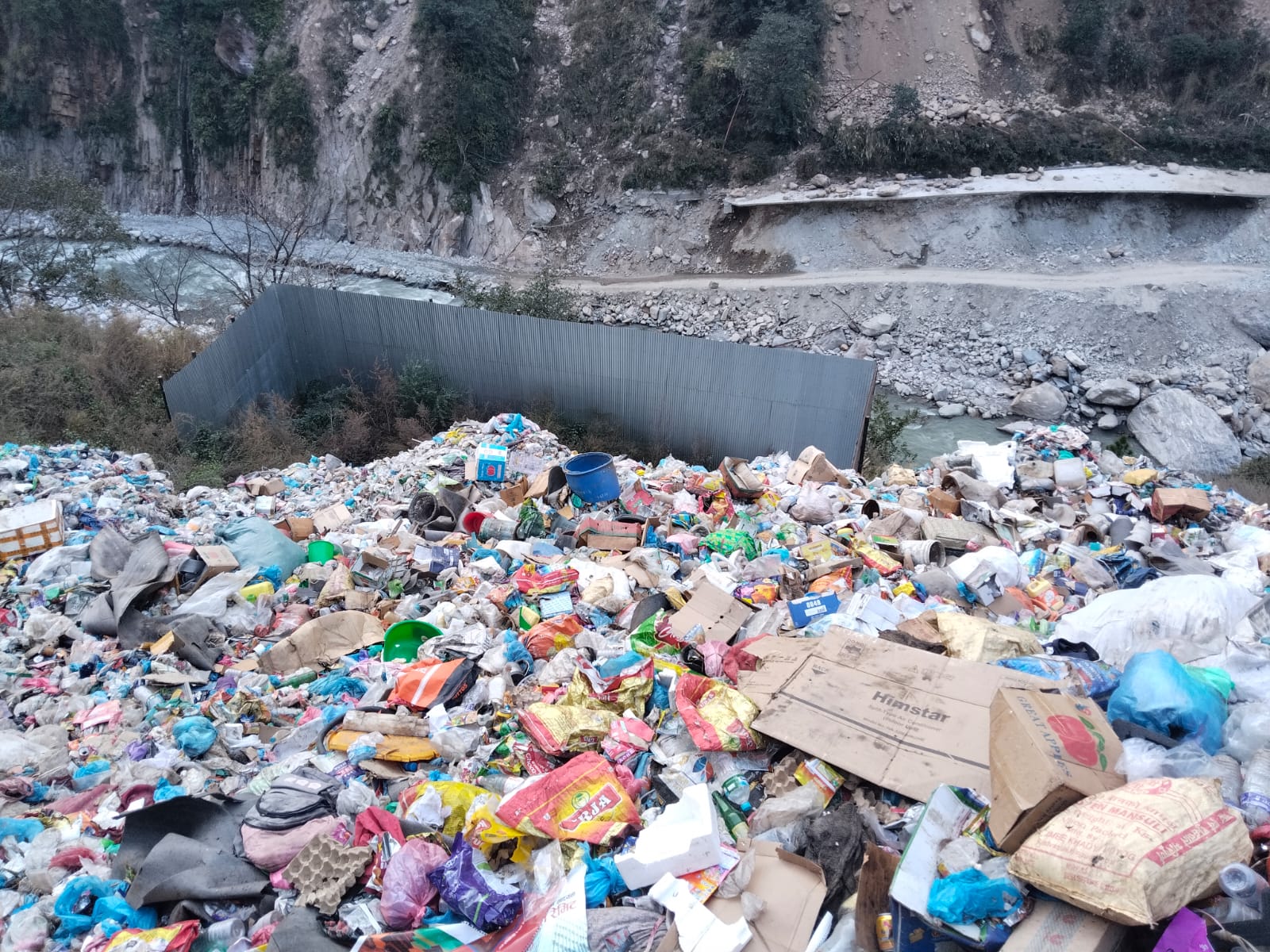
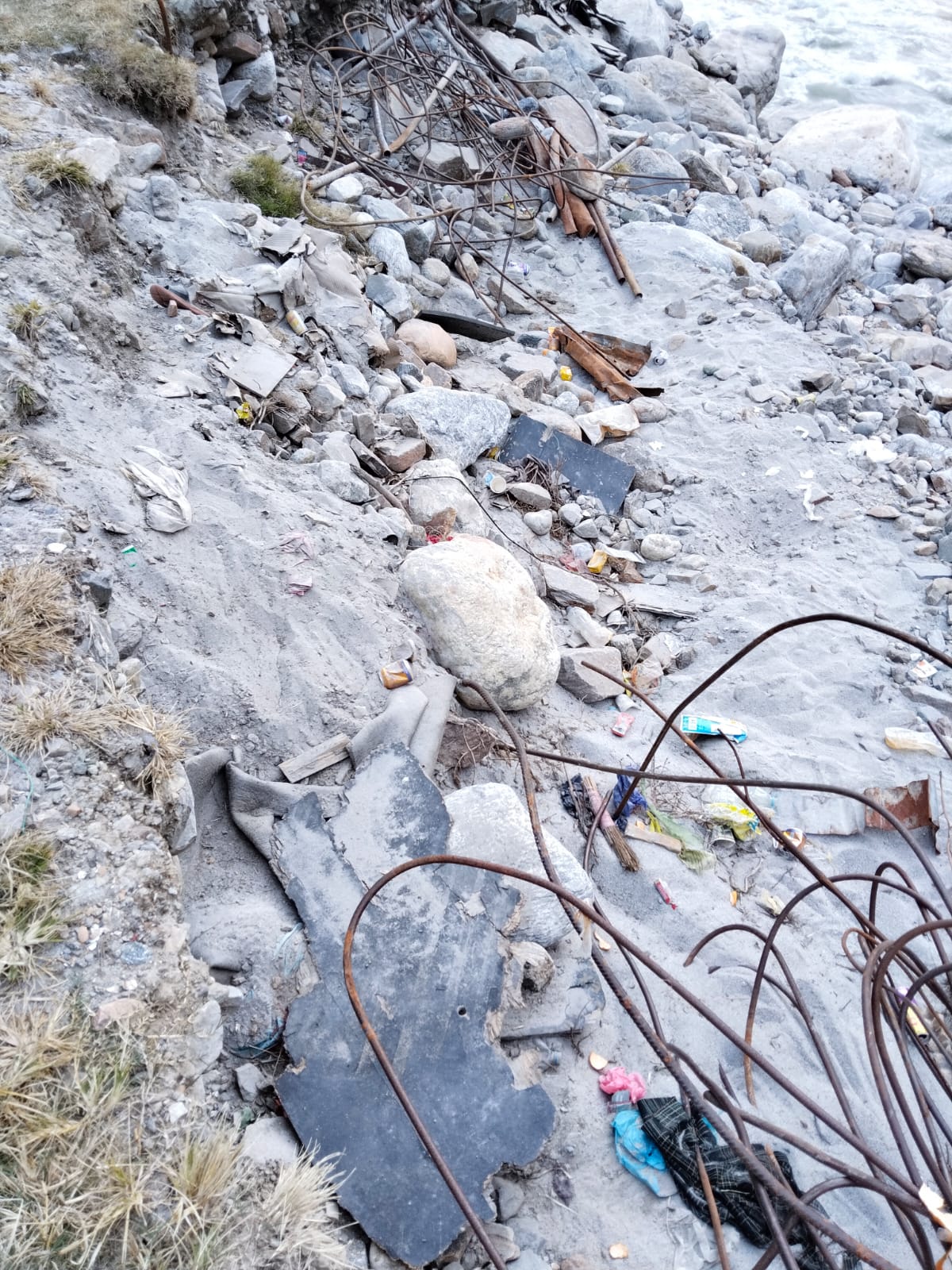
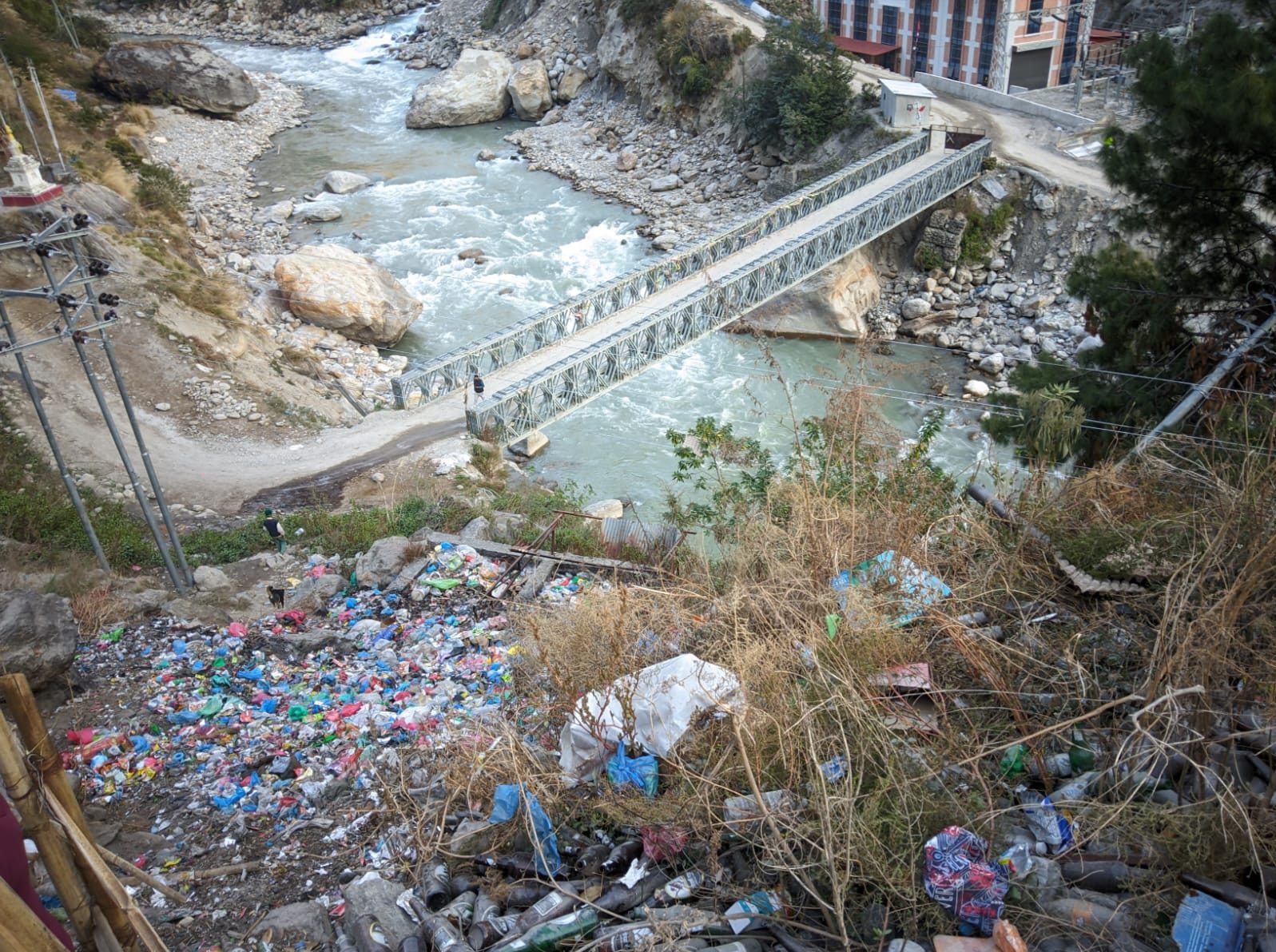
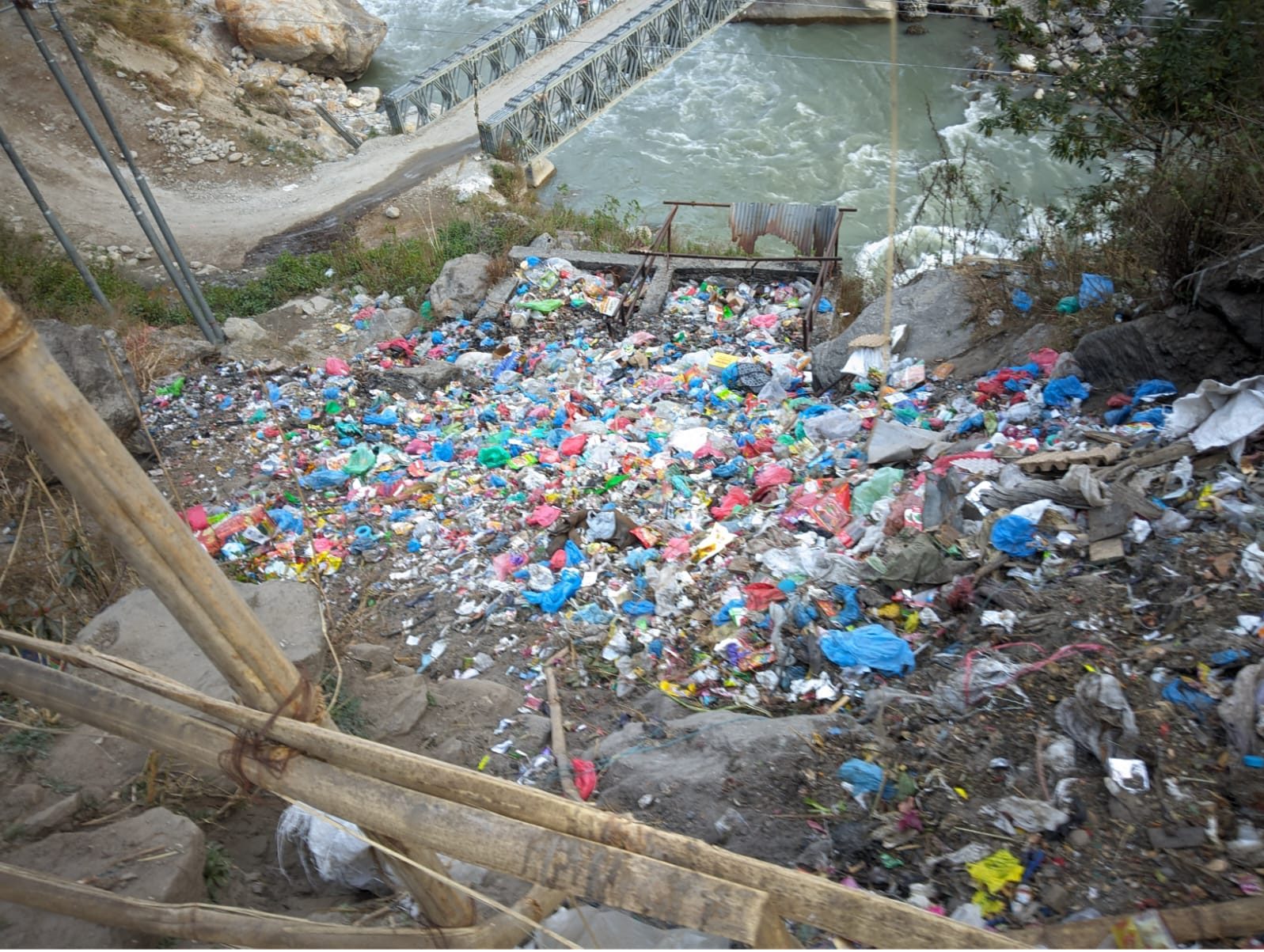
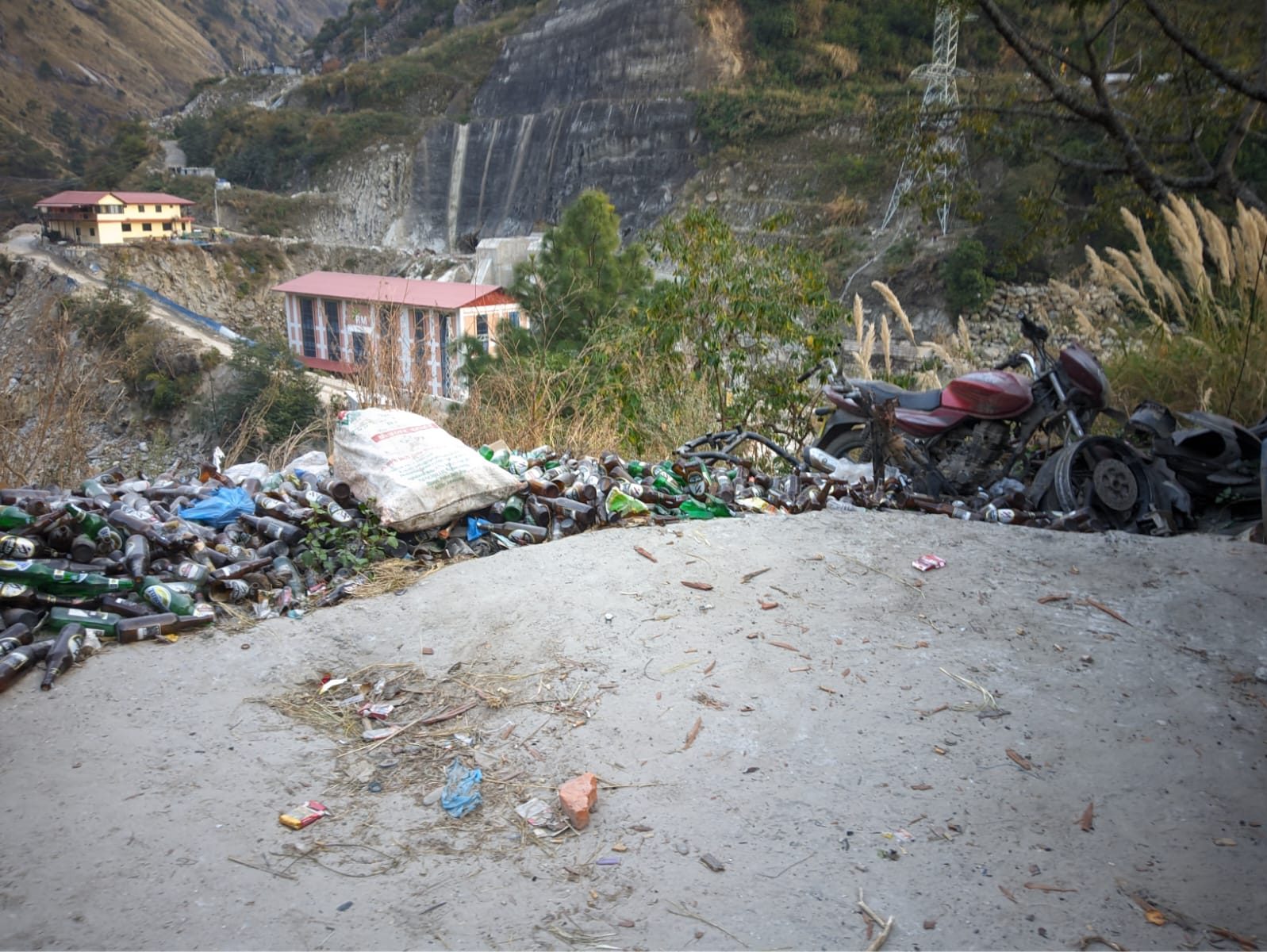
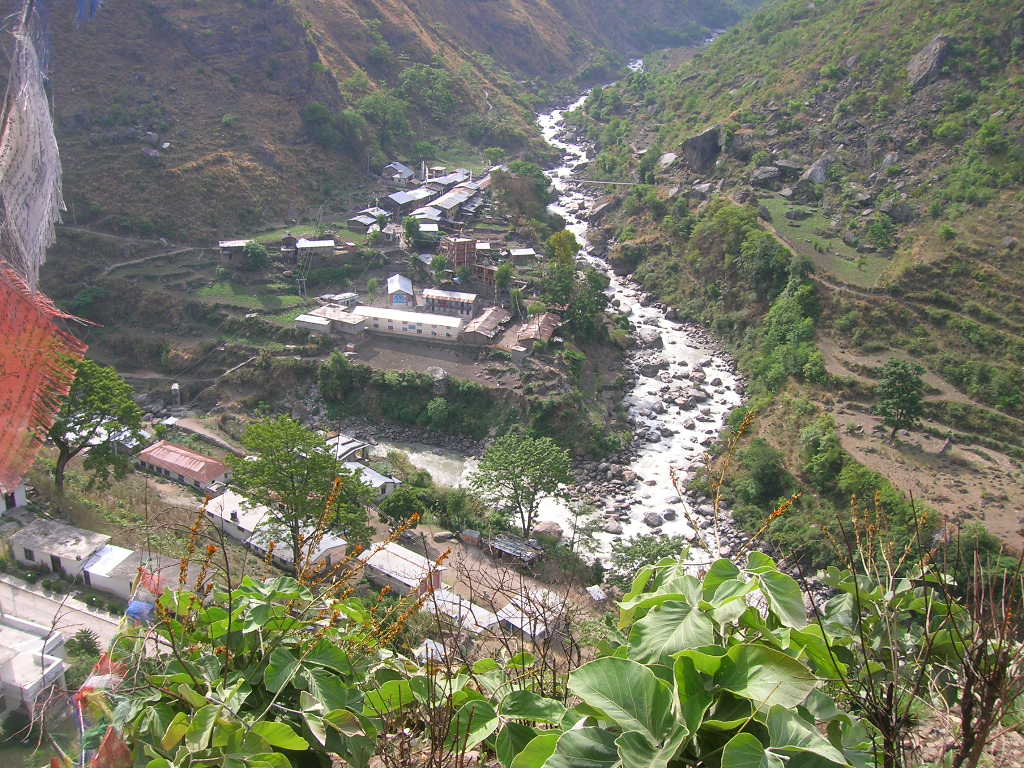
Global Eco Agri Concern has initiated a comprehensive 5-Year Solid Waste Management (SWM) Action Plan in Rasuwa District, covering Dhunche, Syabrubesi, Langtang, Thuman, and Timure. This project aims to improve environmental sustainability, public health, and community wellbeing by implementing an organized, long-term waste management system in both residential and tourism areas.
During the field visit, the team conducted in-depth assessments, stakeholder consultations, and on-site evaluations to understand the current state of waste generation and management. Meetings were held with the Nepal Army Headquarters, local hotel operators, school representatives, and community leaders to identify challenges, opportunities, and sustainable solutions tailored to each local context.
What is Solid Waste Management (SWM)?
Solid Waste Management (SWM) refers to the collection, segregation, recycling, treatment, and disposal of solid waste generated by households, schools, hotels, markets, and public areas. Effective SWM ensures a cleaner environment, reduces health risks, and promotes a sustainable and organized community structure.
SWM also focuses on community participation, education, and building capacity so that waste management practices are adopted at both individual and institutional levels.
🔷 Benefits of SWM (Advantages)
Implementing a robust SWM system in Rasuwa offers multiple benefits:
- Environmental Protection ♻️
Proper waste management reduces pollution in rivers, hills, streets, and tourist destinations. Segregation, composting, and recycling minimize the amount of waste that ends up in landfills or the natural environment. - Health Improvement
Effective SWM reduces the risk of vector-borne diseases, infections, and other health hazards caused by unmanaged waste. Cleaner surroundings enhance public health, particularly for communities in high-density tourist areas. - Tourism Promotion
Tourist destinations such as Langtang and Syabrubesi are heavily visited. Clean and hygienic surroundings attract more visitors, improving the reputation of the district as a sustainable tourism hotspot. - Community Engagement and Awareness
Mobilizing local communities in waste management programs fosters a sense of responsibility and encourages citizen participation. School programs and local awareness campaigns help instill sustainable practices in younger generations. - Economic Opportunities 💰
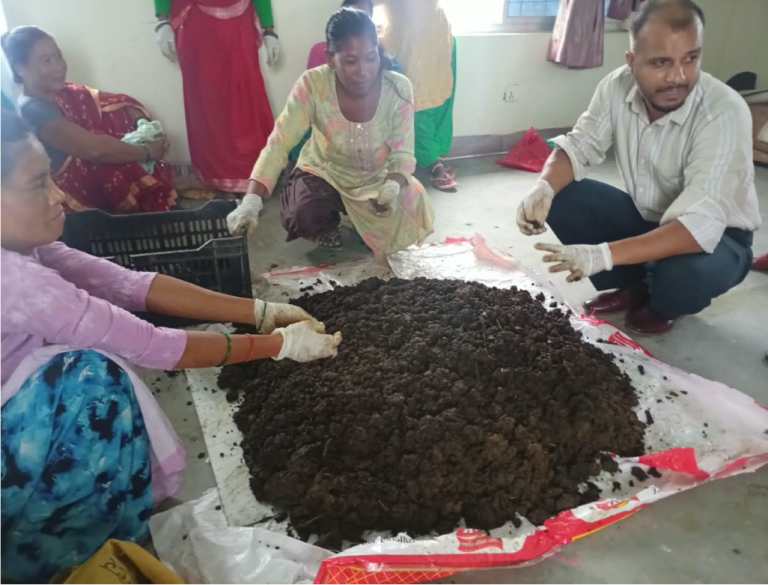
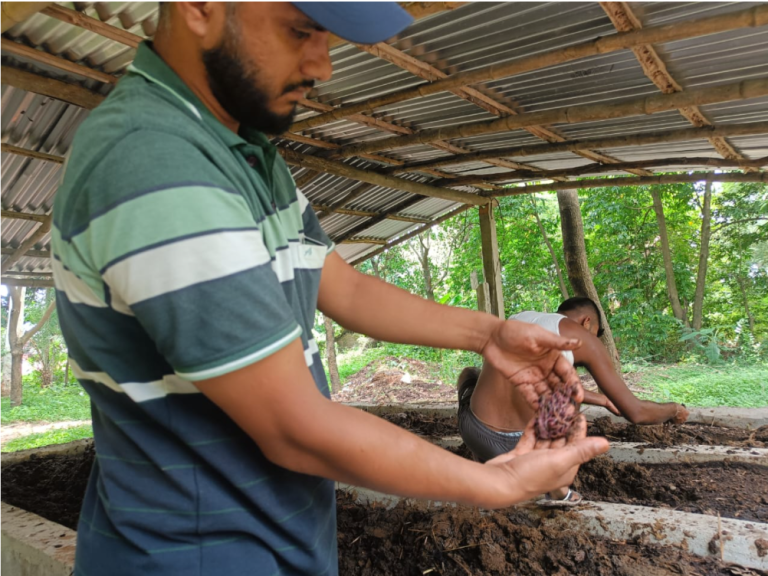
Segregation and recycling create employment opportunities for local residents. Waste processing and value-added activities such as compost production, biogas generation, and plastic recycling provide additional sources of income.
🔷 Challenges / Limitations (Disadvantages )
While SWM provides multiple benefits, there are challenges to be addressed:
- Community Awareness Gap 🏘️
Not all residents are fully aware of waste segregation, recycling, and proper disposal techniques. Continuous awareness programs are required. - Funding Constraints 💸
Implementing a fully sustainable SWM system requires consistent financial support for infrastructure, equipment, and operational costs. - Logistical Issues 🚛
Remote areas like Langtang, Thuman, and Timure present challenges for waste collection and transportation due to difficult terrain and limited road access. - Infrastructure Gaps ⚙️
Initial facilities for waste segregation, composting, recycling, and treatment are limited, requiring investment and planning to scale operations. - Monitoring and Maintenance 📊
Sustainable waste management requires continuous supervision, periodic evaluation, and regular maintenance to ensure long-term success.
🔷 Project Areas Covered
The project targets key locations in Rasuwa District, focusing on both community and tourism areas:
- Dhunche: District headquarters, residential and commercial hubs
- Syabrubesi: Gateway to Langtang National Park and tourism-focused area
- Langtang: Remote tourist and community region with high environmental sensitivity
- Thuman: Residential and agricultural zone with emerging tourism potential
- Timure: Remote border area with increasing human activity and waste generation
🔷 Key Activities Conducted
To ensure the success of the SWM program, the following activities were carried out:
- Field Visits & Assessments:
Comprehensive observation of waste generation, collection methods, disposal sites, and recycling practices. - Stakeholder Consultations:
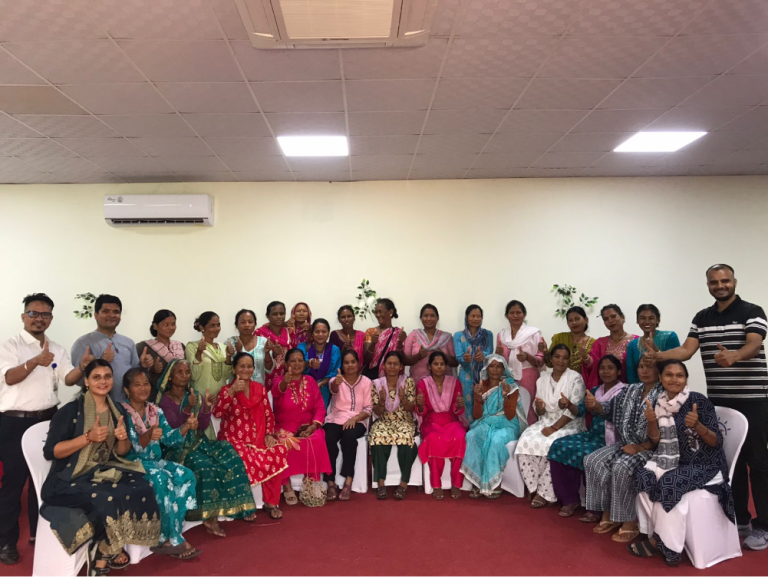
Meetings with Nepal Army Headquarters, local hotel owners, school administrators, and community representatives to discuss challenges and gather recommendations. - Community Awareness Programs:
Education sessions with schools and local groups to promote segregation, recycling, and environmental hygiene. - Drafting the 5-Year Action Plan:
Preparing a structured roadmap for implementing SWM systems, including infrastructure, monitoring, and community participation.
🔷 Expected Outcomes
Long-term environmental and social benefits for the Rasuwa district
Organized, efficient, and sustainable waste collection and disposal system
Cleaner, healthier, and safer residential and tourist areas
Community engagement and ownership of SWM initiatives
Improved coordination between local authorities, private sector, and communities