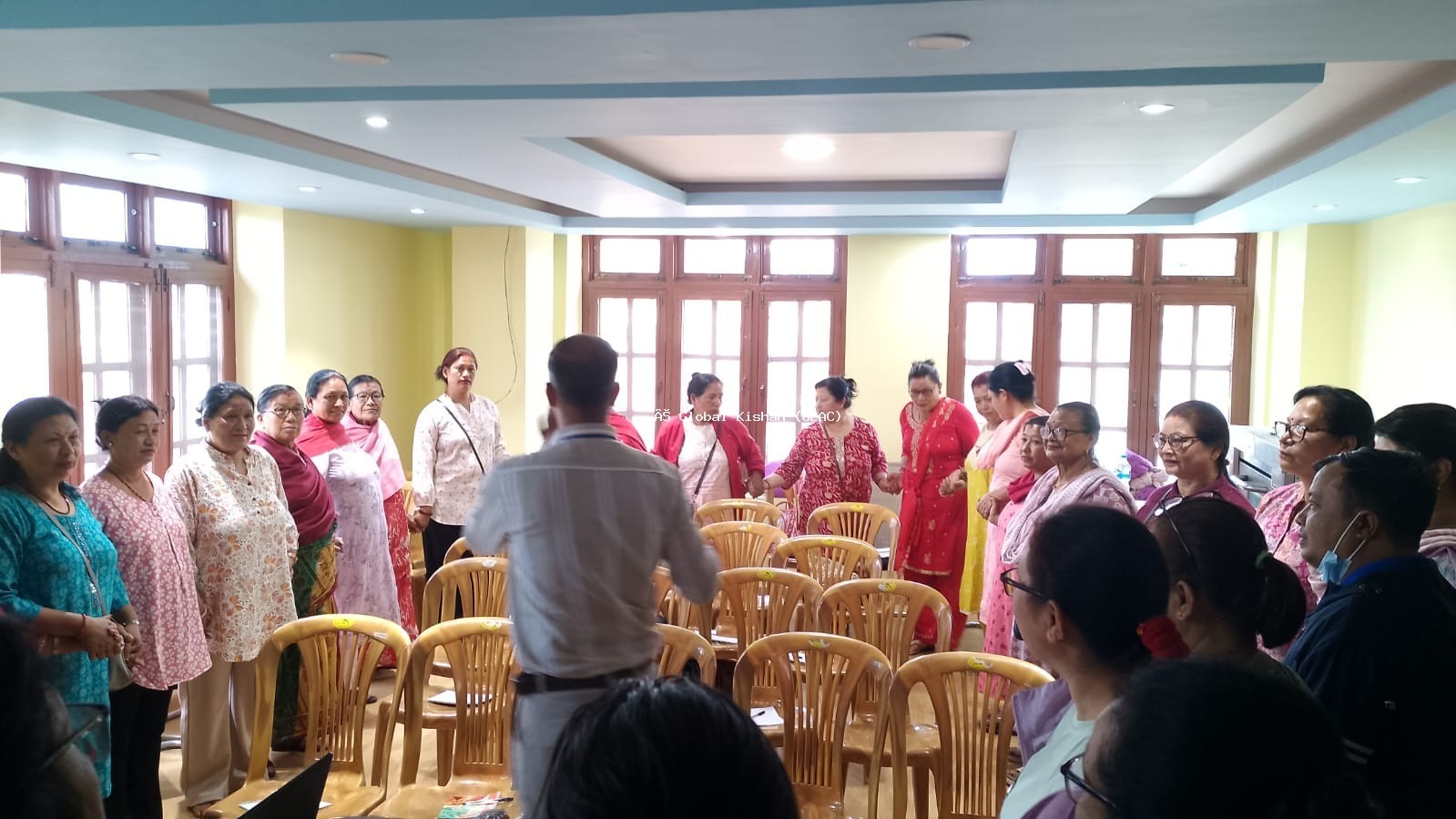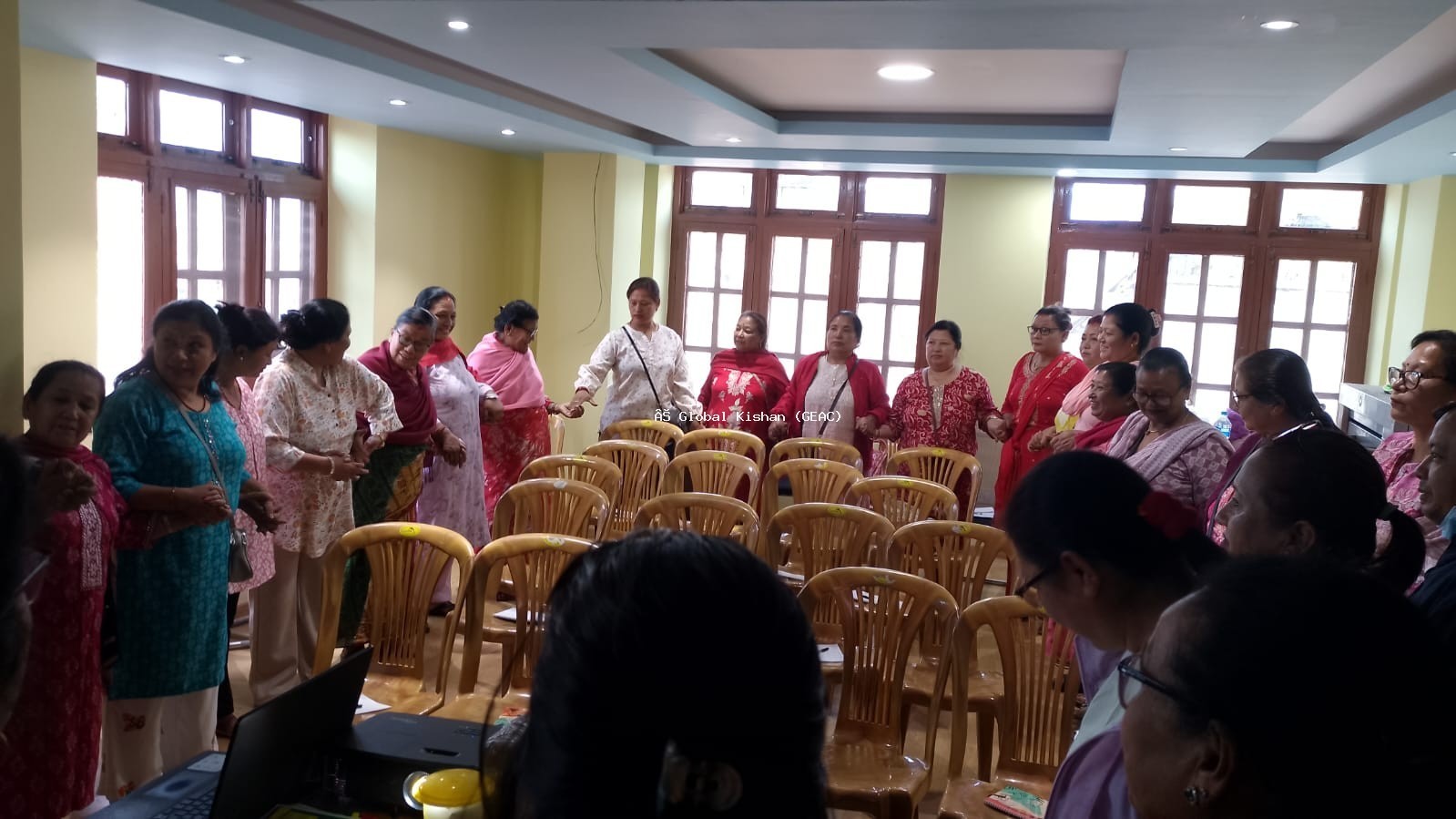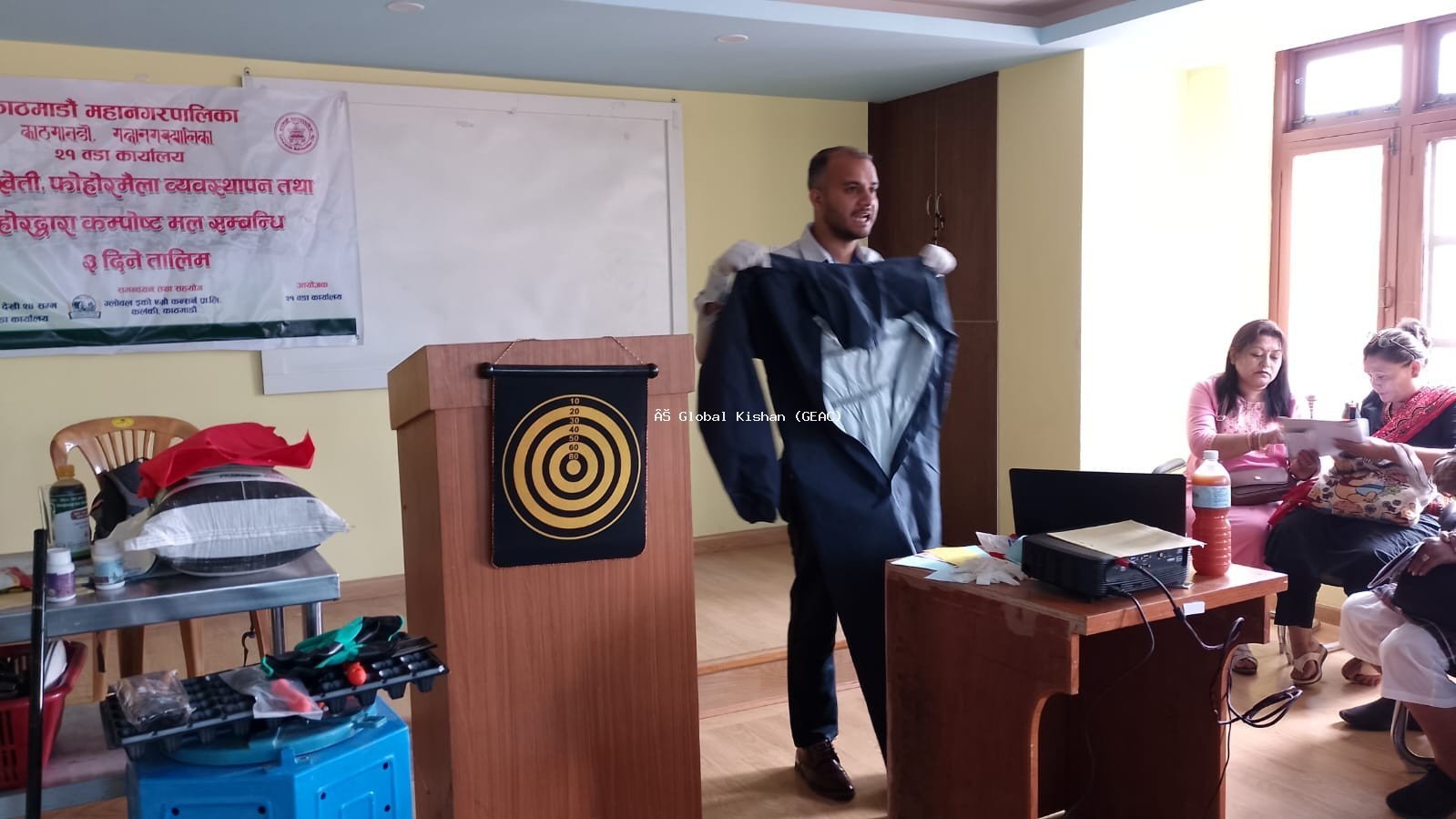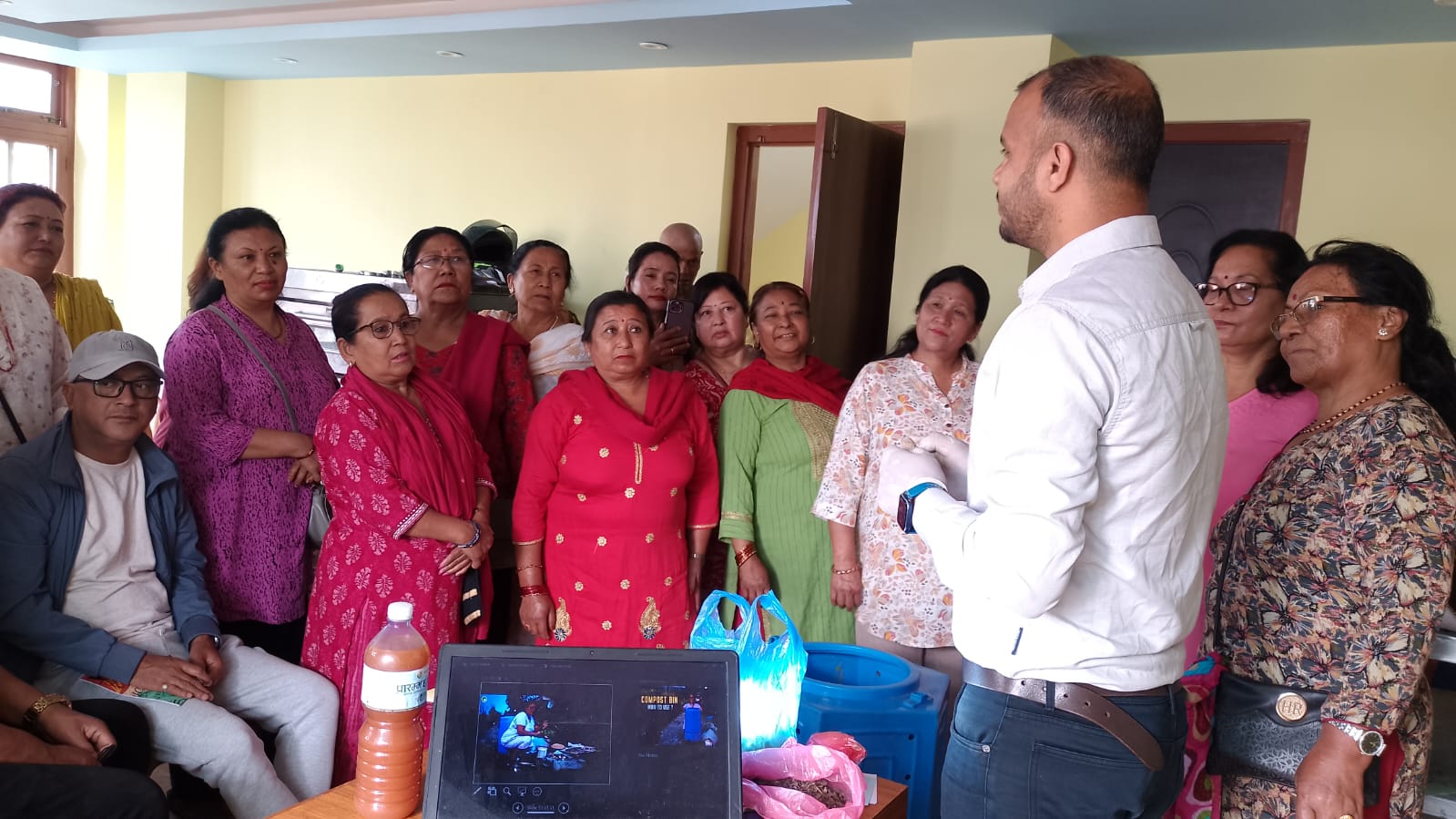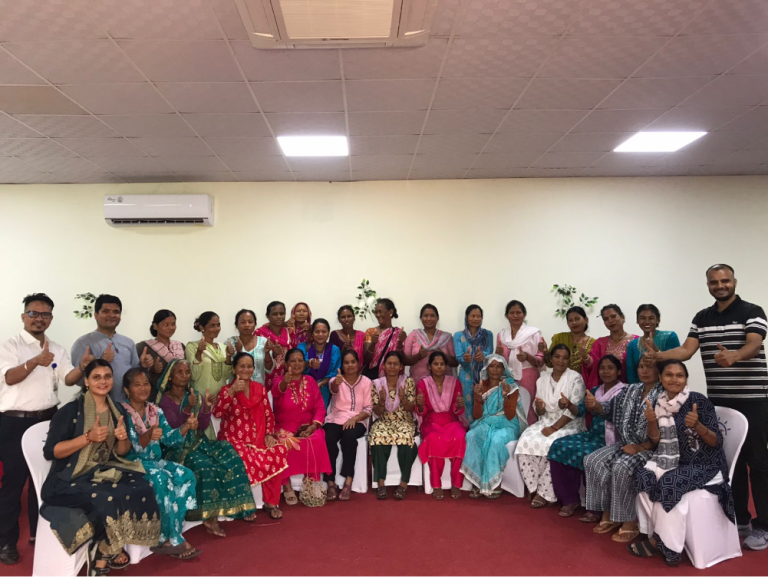

Global Eco Agri Concern successfully organized a comprehensive 3-day training program on Rooftop Gardening, Solid Waste Management, and Composting in Kathmandu, Nepal. The training program was conducted with the objective of promoting sustainable urban agriculture, environmental conservation, and proper household waste management practices among the local community.


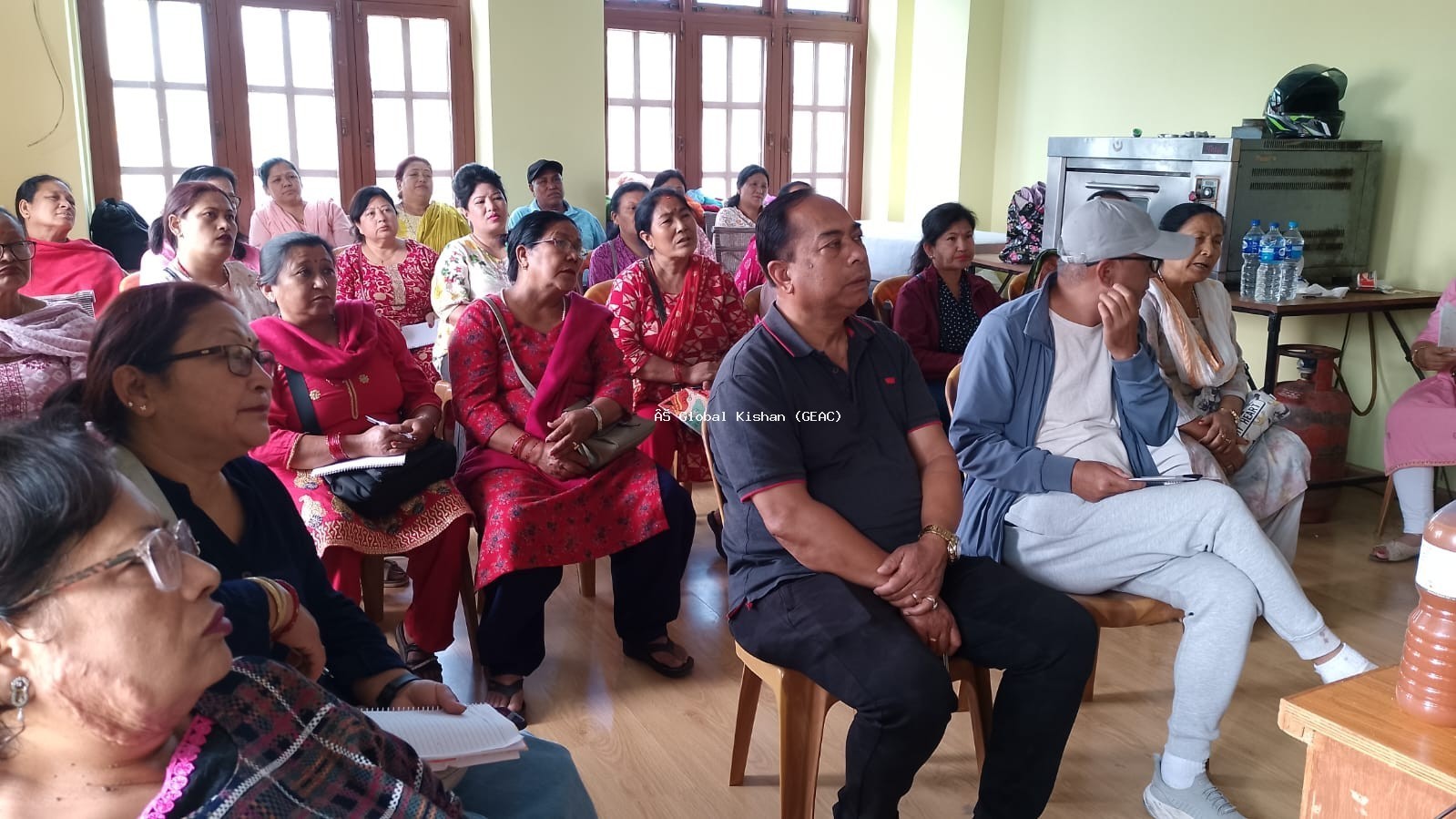
The program brought together community members, farmers, youth participants, women groups, environmental enthusiasts, and local residents who were eager to learn practical and eco-friendly techniques that can be implemented in daily life. Through this initiative, participants gained both theoretical and practical knowledge regarding rooftop farming systems, waste segregation, organic compost preparation, and environmental sustainability.
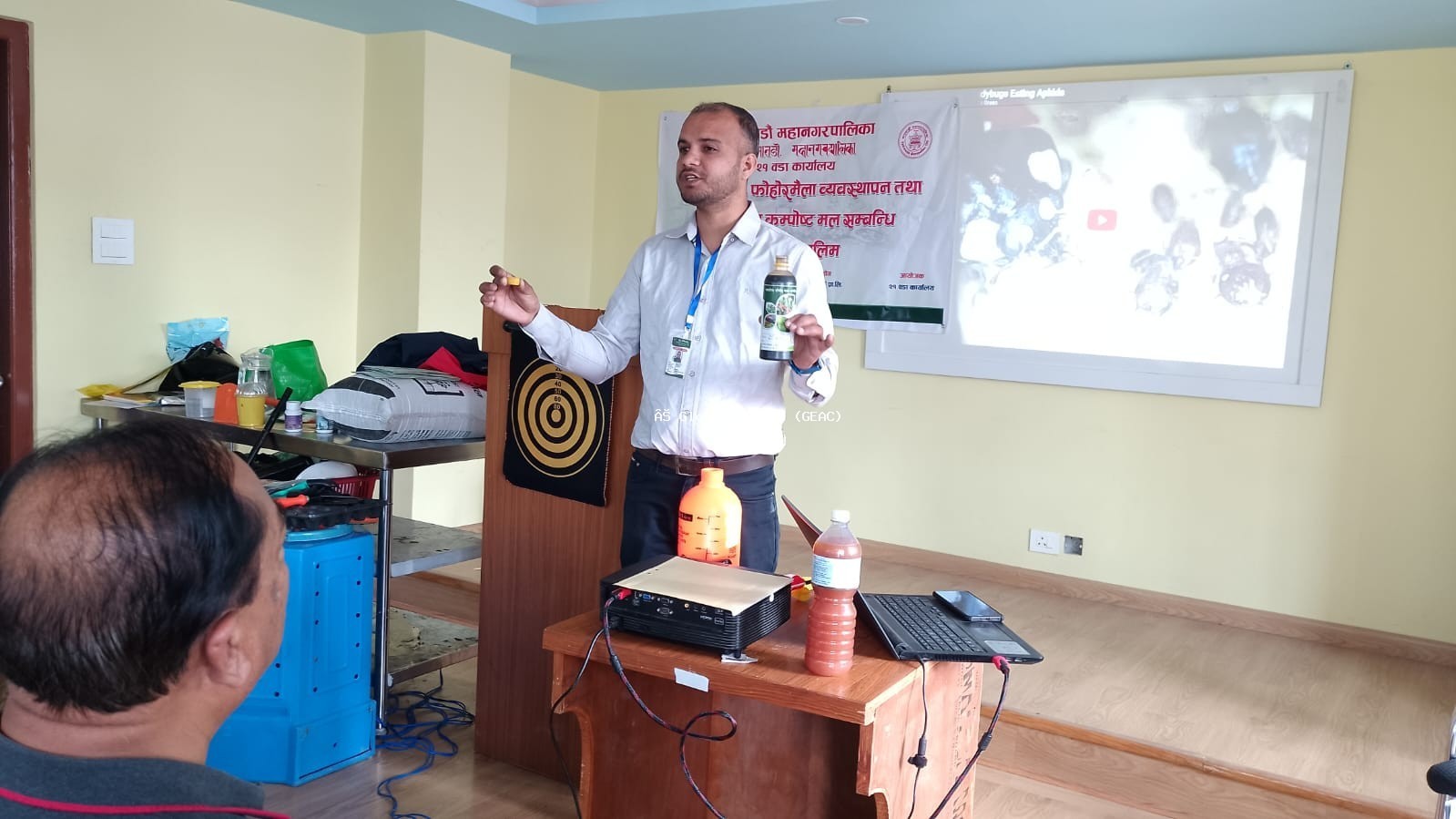
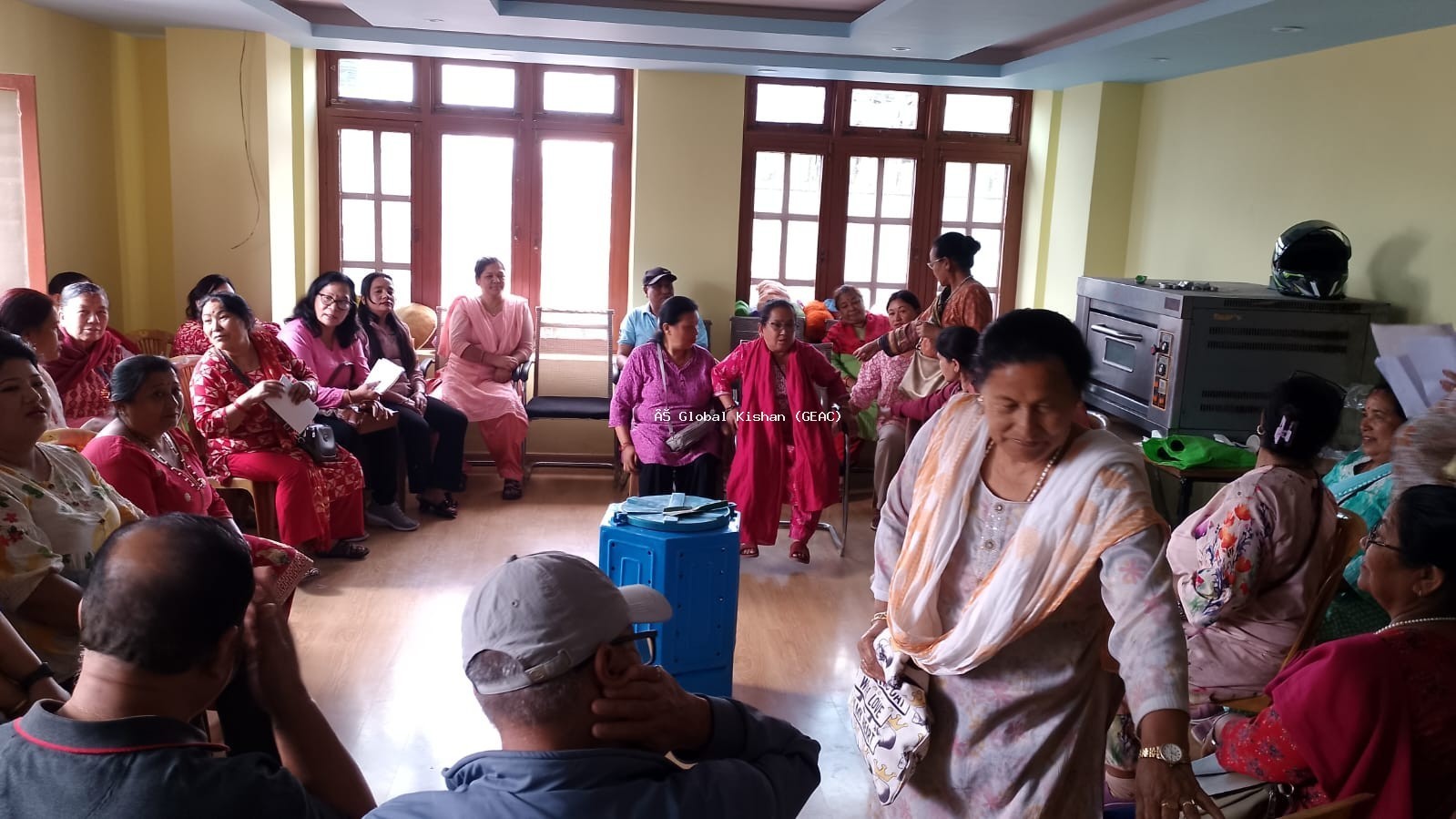
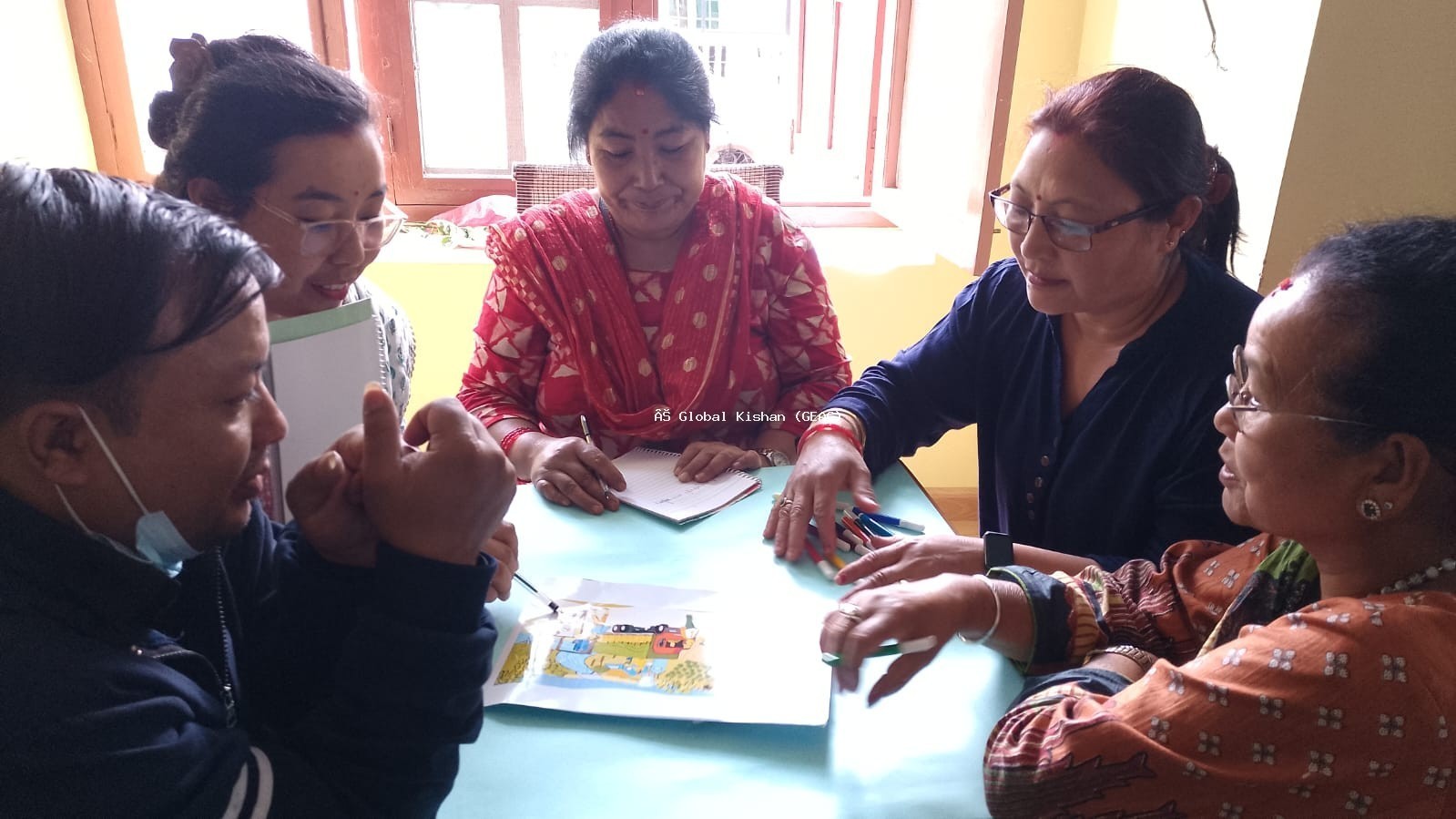
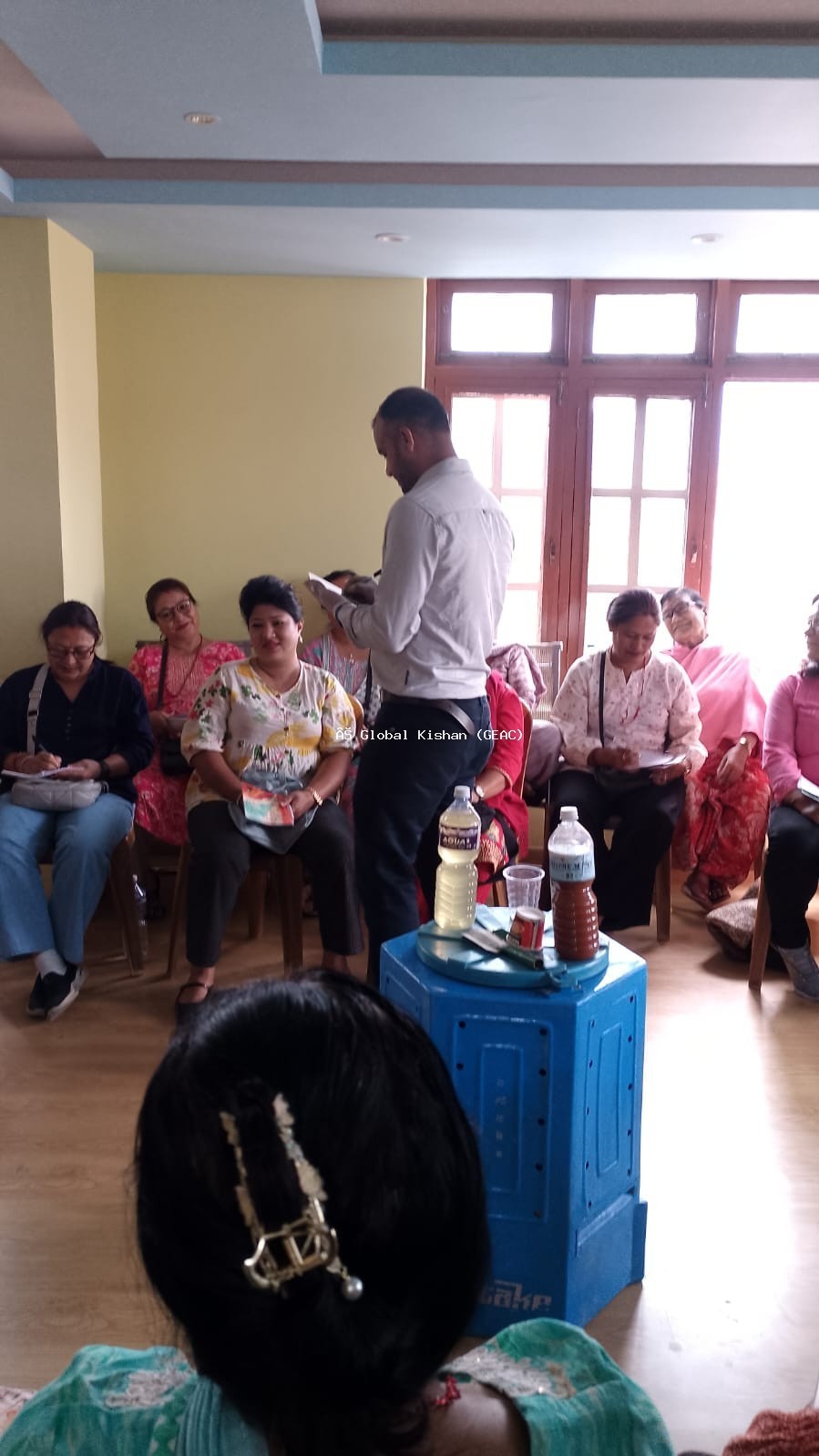
The training sessions were conducted by experienced trainers and facilitators who shared practical demonstrations, real-life examples, and interactive learning activities. Participants actively engaged in discussions and practical exercises throughout the training program. The event created a valuable platform for learning, sharing experiences, and building awareness about sustainable living practices in urban areas like Kathmandu.
Objective of the Training Program
The main objective of this training was to encourage people living in urban areas to adopt environmentally friendly practices and make productive use of available spaces such as rooftops and balconies. Due to increasing urbanization and unmanaged waste generation, cities are facing major environmental challenges. Through this training, participants were encouraged to become more responsible toward nature and household waste management.
The program aimed to:
Promote rooftop gardening in urban communities
Encourage organic vegetable production at home
Reduce household waste through proper segregation and composting
Increase awareness about environmental cleanliness and sustainability
Teach practical methods for producing compost from kitchen waste
Motivate communities to participate in green and eco-friendly activities
Support healthy lifestyles through organic food production
The training also focused on educating participants about the long-term benefits of urban agriculture and sustainable waste management for future generations.
Rooftop Gardening Training Session
One of the major highlights of the training was the session on rooftop gardening. Participants learned how rooftops, terraces, balconies, and small open spaces can be transformed into productive green spaces. Trainers explained the importance of rooftop gardening in urban environments where agricultural land is limited.
The session covered:
Selection of suitable plants and vegetables for rooftop farming
Preparation of pots, containers, and growing beds
Soil preparation and organic fertilizer use
Water management and irrigation methods
Seasonal vegetable cultivation techniques
Pest and disease management using organic methods
Benefits of organic farming and pesticide-free vegetables
Practical demonstrations were also conducted where participants learned how to prepare planting containers, mix soil with compost, and plant vegetable seeds properly. Participants showed great enthusiasm while participating in hands-on activities and practical exercises.
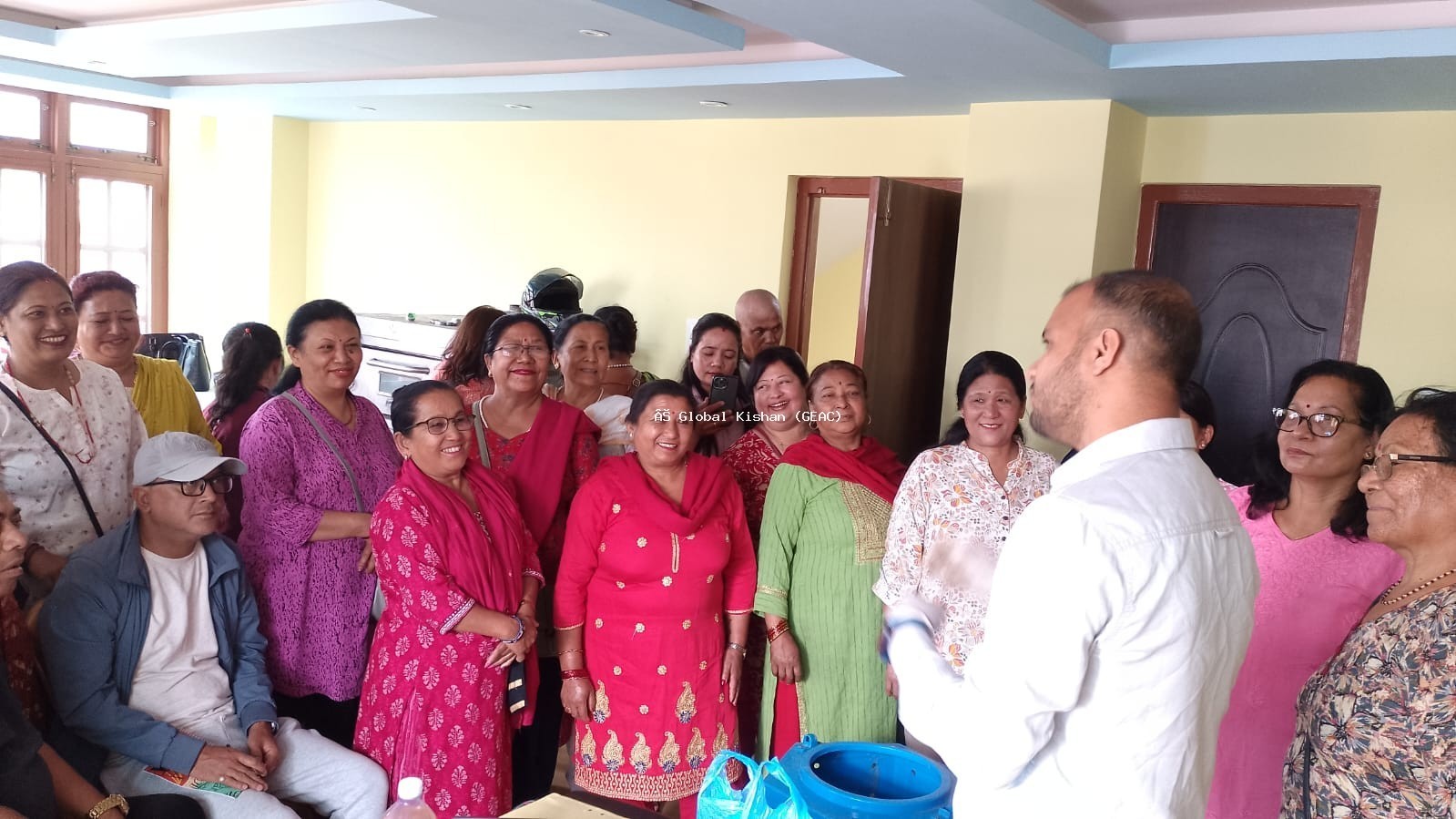
The trainers emphasized that rooftop gardening not only provides fresh organic vegetables for households but also contributes to environmental protection by reducing heat, improving air quality, and increasing greenery in urban areas.
Solid Waste Management Awareness Session
The second important component of the training focused on solid waste management. Kathmandu and many urban cities are facing increasing problems related to unmanaged waste disposal and environmental pollution. The training aimed to raise awareness among participants regarding the importance of proper waste management practices at household and community levels.
Participants were educated about:
Types of household waste
Waste segregation methods
Recyclable and non-recyclable materials
Plastic waste reduction techniques
Environmental impacts of unmanaged waste
Community cleanliness and sanitation practices
Sustainable waste disposal systems
The trainers explained how improper waste disposal affects public health, water systems, and the environment. Participants learned the importance of separating biodegradable waste from non-biodegradable waste at home.
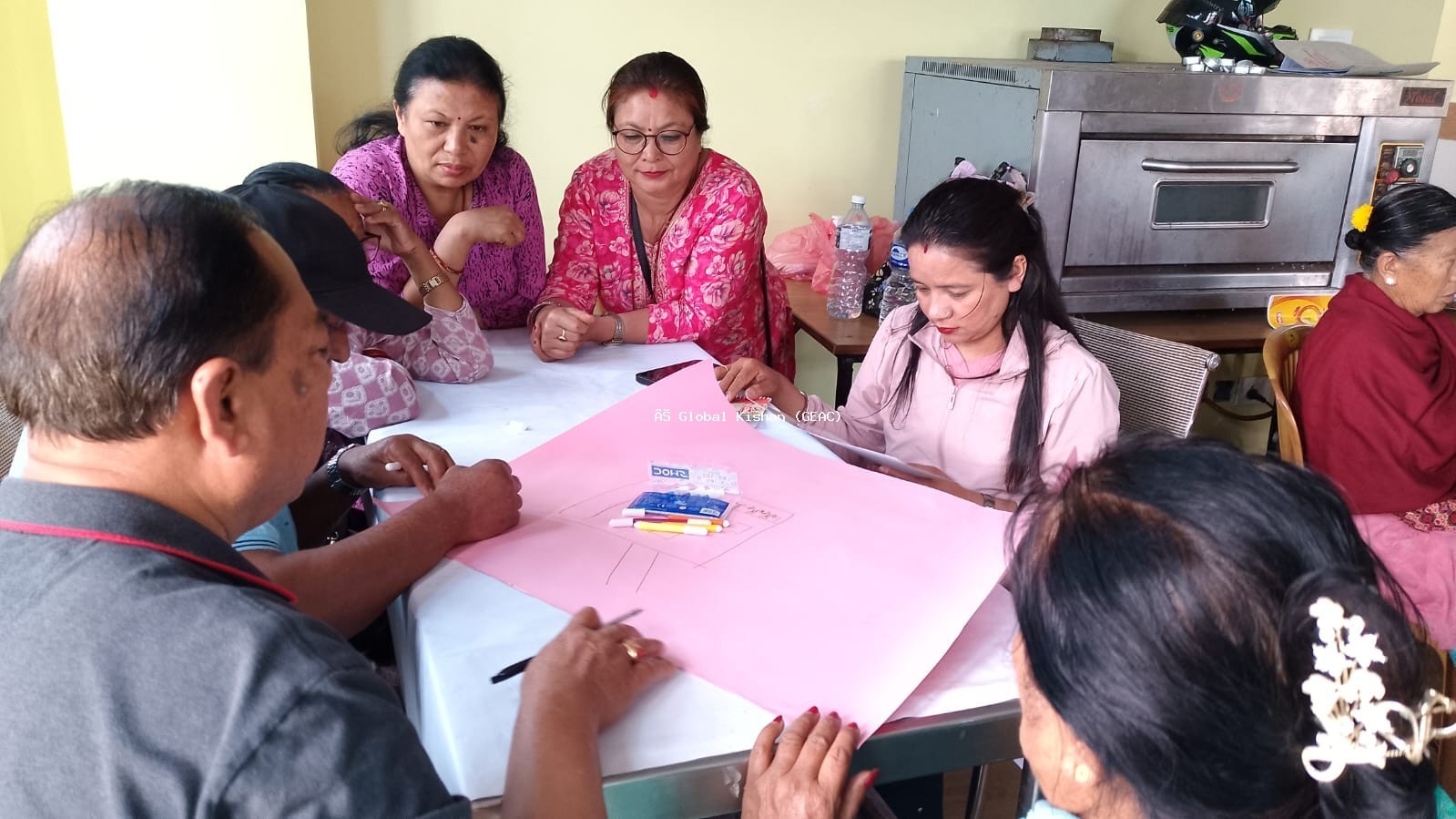
Interactive discussions were conducted where participants shared challenges faced in waste management within their local communities. Many valuable suggestions and experiences were exchanged during the session, creating meaningful learning opportunities for everyone involved.
Composting Training and Practical Demonstration
Another major part of the program was composting training. Participants learned how kitchen waste and organic materials can be converted into nutrient-rich compost that can be used for gardening and agriculture. Composting was introduced as a simple and effective method for reducing household waste while producing natural fertilizer.

The training covered:
Introduction to composting techniques
Types of composting systems
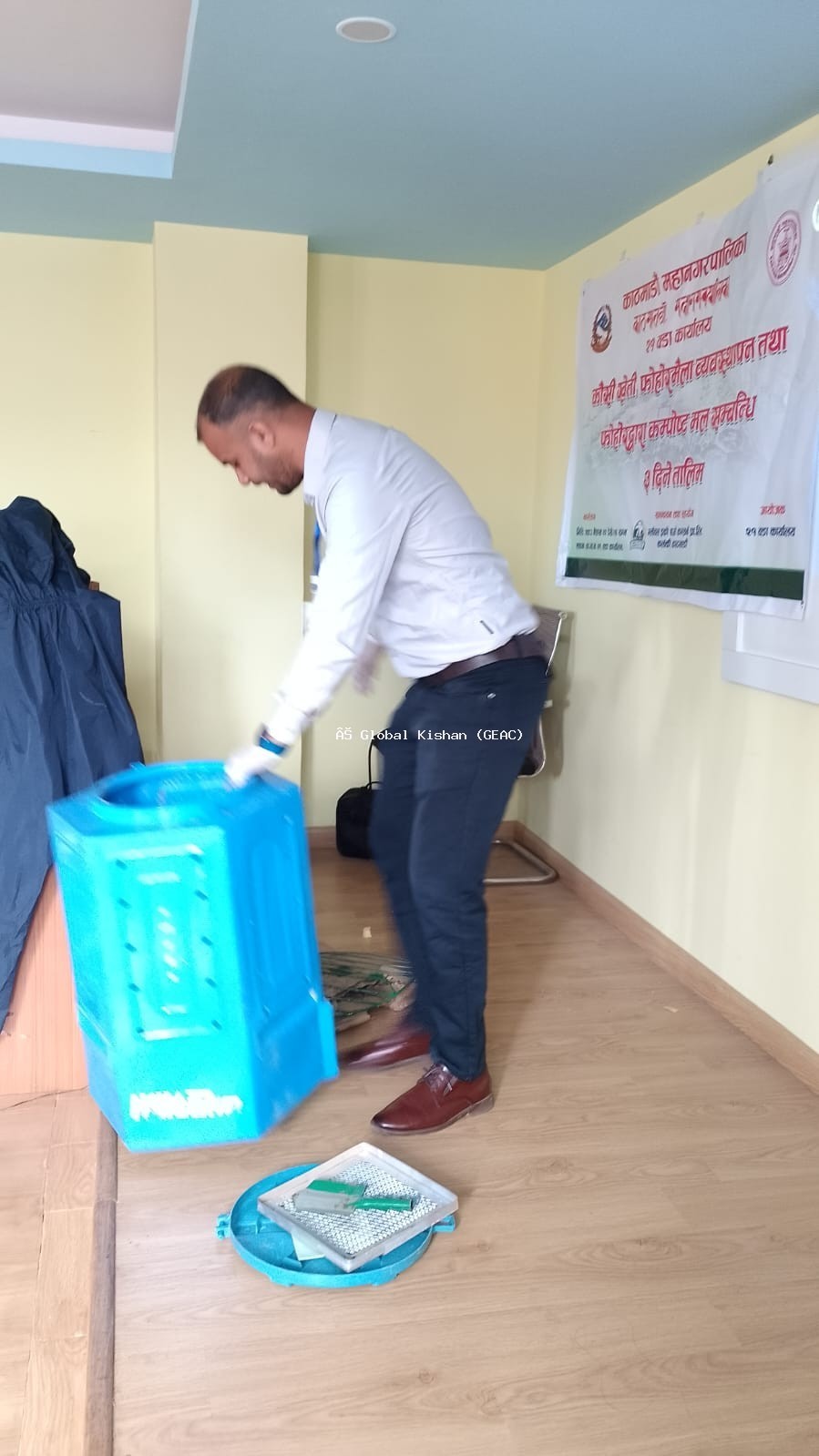
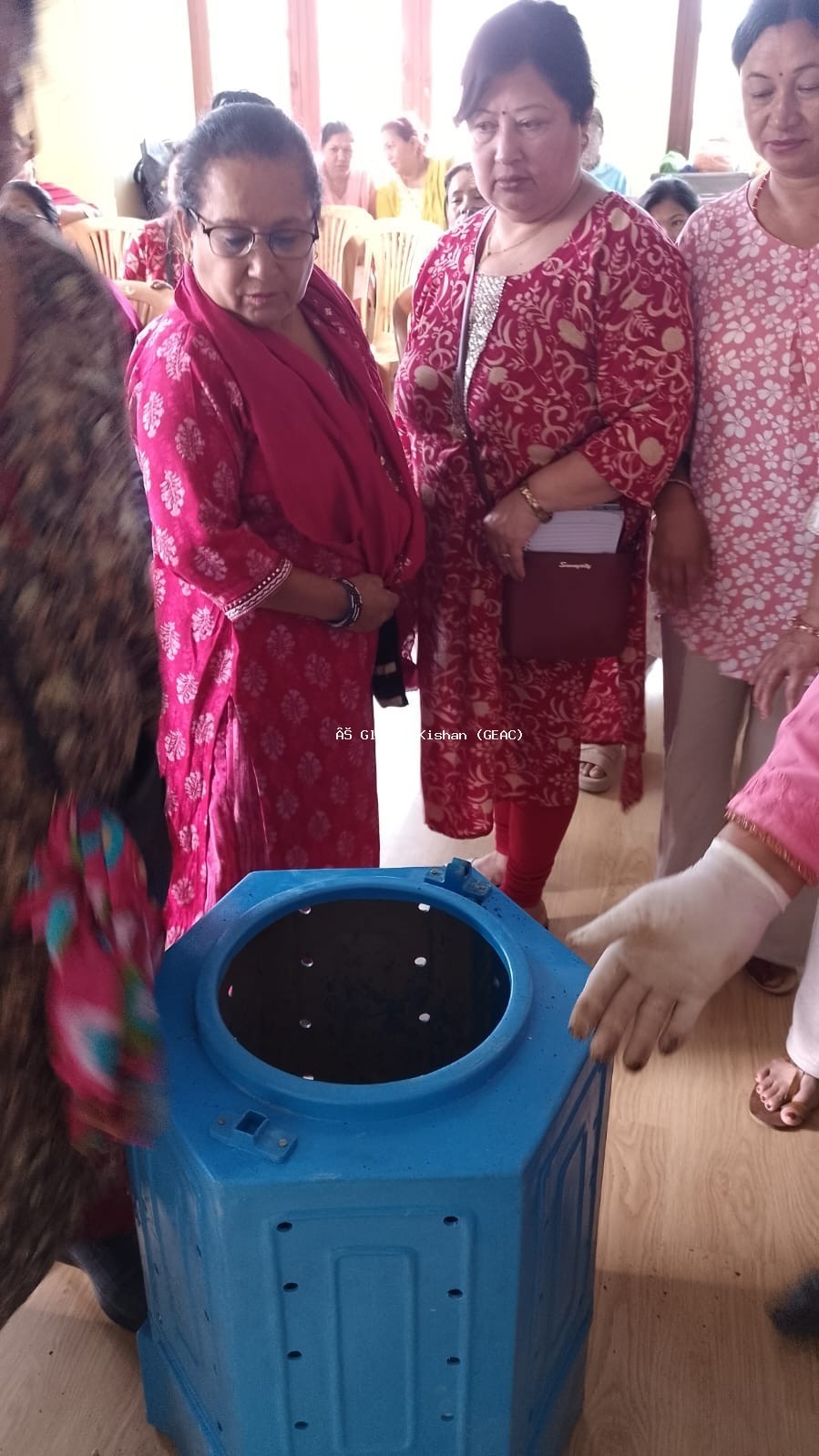
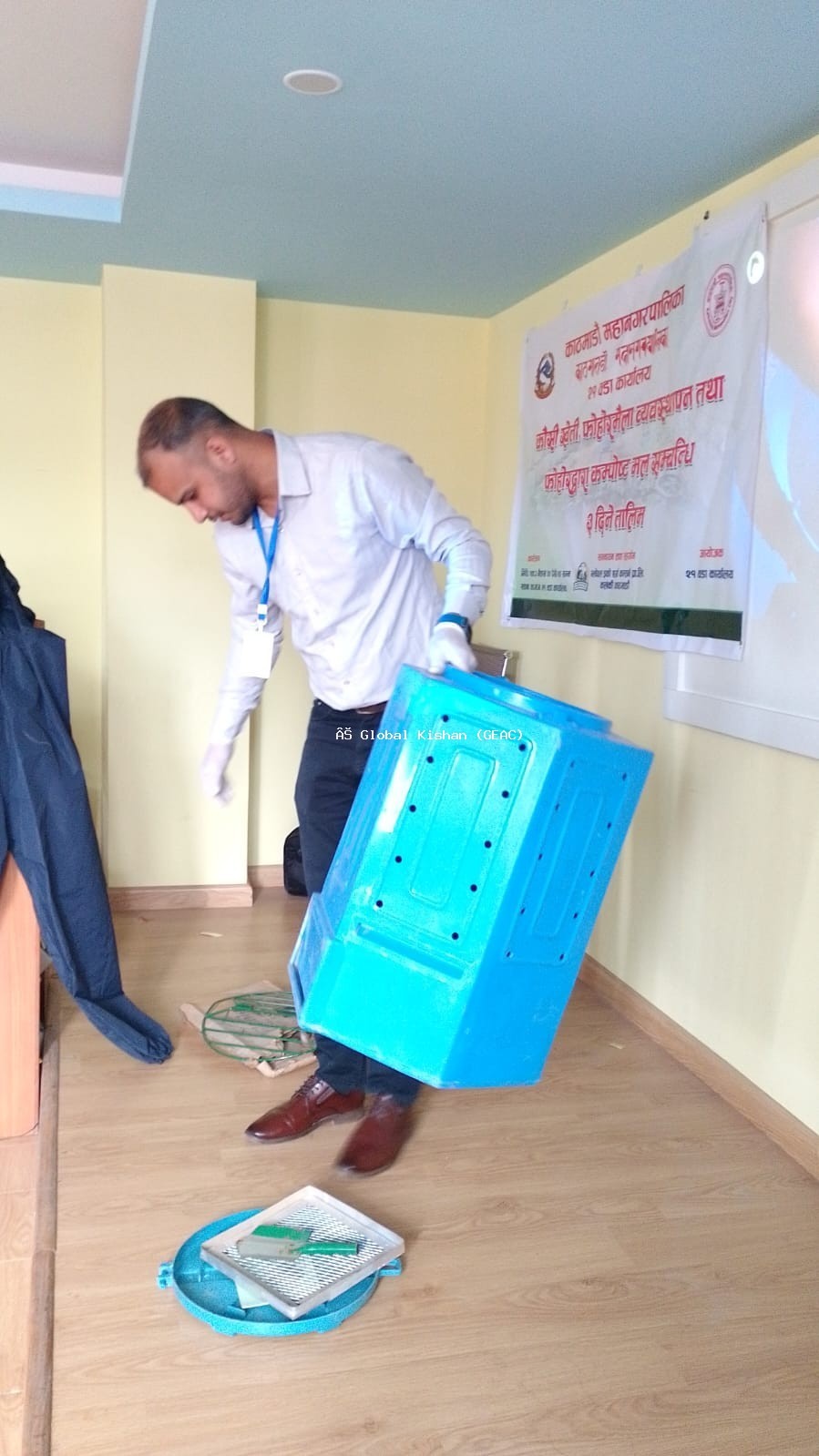
Preparation of compost bins and containers
Use of kitchen waste for compost production
Proper layering and moisture management
Compost maintenance and decomposition process
Use of compost in rooftop gardening and agriculture
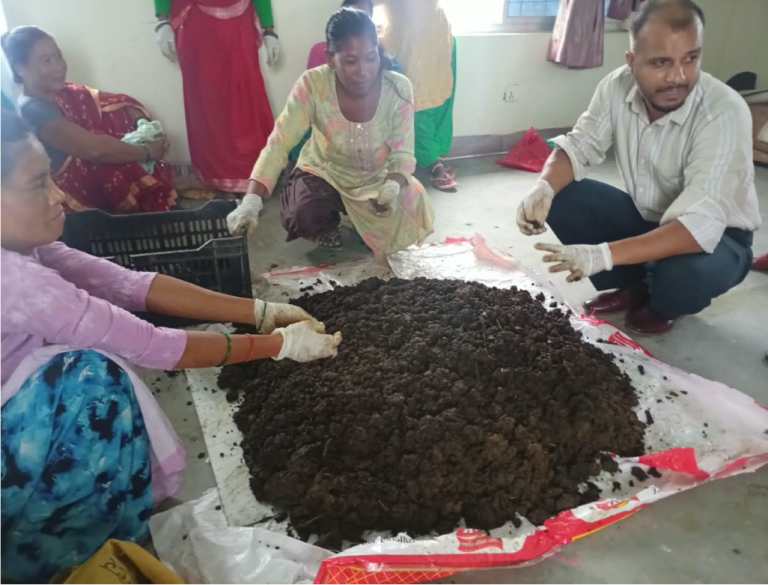
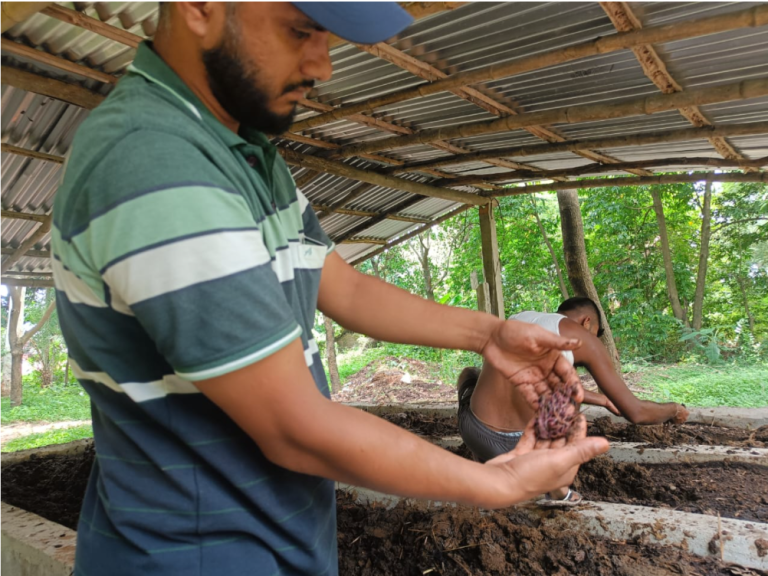
Practical demonstrations allowed participants to observe and practice the compost preparation process directly. Trainers demonstrated how vegetable peels, fruit waste, dry leaves, and other biodegradable materials can be transformed into useful organic fertilizer.
Participants expressed strong interest in applying composting methods at home to reduce waste and support organic farming activities. The session highlighted the environmental and economic benefits of composting for households and communities.
Community Interaction and Public Suggestions
A special interaction and discussion session was also organized during the training program. Community members and participants were encouraged to openly share their ideas, experiences, and suggestions related to rooftop gardening and waste management practices.
The meeting session became an important platform for understanding local challenges and community needs. Participants discussed issues such as:
Lack of awareness about waste segregation
Limited space for urban gardening
Need for practical environmental education
Challenges in waste collection systems
Importance of community participation in cleanliness programs
The suggestions and feedback collected from participants will help in planning future awareness programs and improving community-based environmental initiatives.
The active participation of local residents demonstrated growing interest in sustainable urban agriculture and environmental conservation activities in Kathmandu.
Appreciation and Future Commitment
Global Eco Agri Concern would like to sincerely thank all participants, trainers, volunteers, and community members who actively contributed to the success of this 3-day training program in Kathmandu. The enthusiasm, participation, and valuable suggestions from the community made the event highly meaningful and successful.
Global Eco Agri Concern remains committed to organizing more awareness programs, training sessions, and community-based activities in the future to promote sustainable agriculture, environmental conservation, and eco-friendly living practices across Nepal.