

1. The Limitations of Traditional Systems and Existing Challenges
Nepal’s agricultural sector remains heavily reliant on traditional knowledge and experience, which is increasingly insufficient to address the triple threat of changing climate, new pest and disease outbreaks, and evolving market demands. Although the government operates an Agricultural Extension Service (कृषि प्रसार सेवा) network, the system is often outdated, centralized (केन्द्रीकृत), and plagued by staffing shortages, severely limiting its effectiveness. Consequently, farmers in rural areas often fail to receive timely, practical, and locally relevant technical advice. This gap directly impacts the stagnant growth rate of agricultural productivity, contributing to the migration of young people abroad for alternative employment. The limitations of this traditional framework and the lack of updated knowledge pose the most significant barrier to achieving sustainable agricultural development.
2. The Imperative for Modern Training and Farmer Field Schools (FFS)
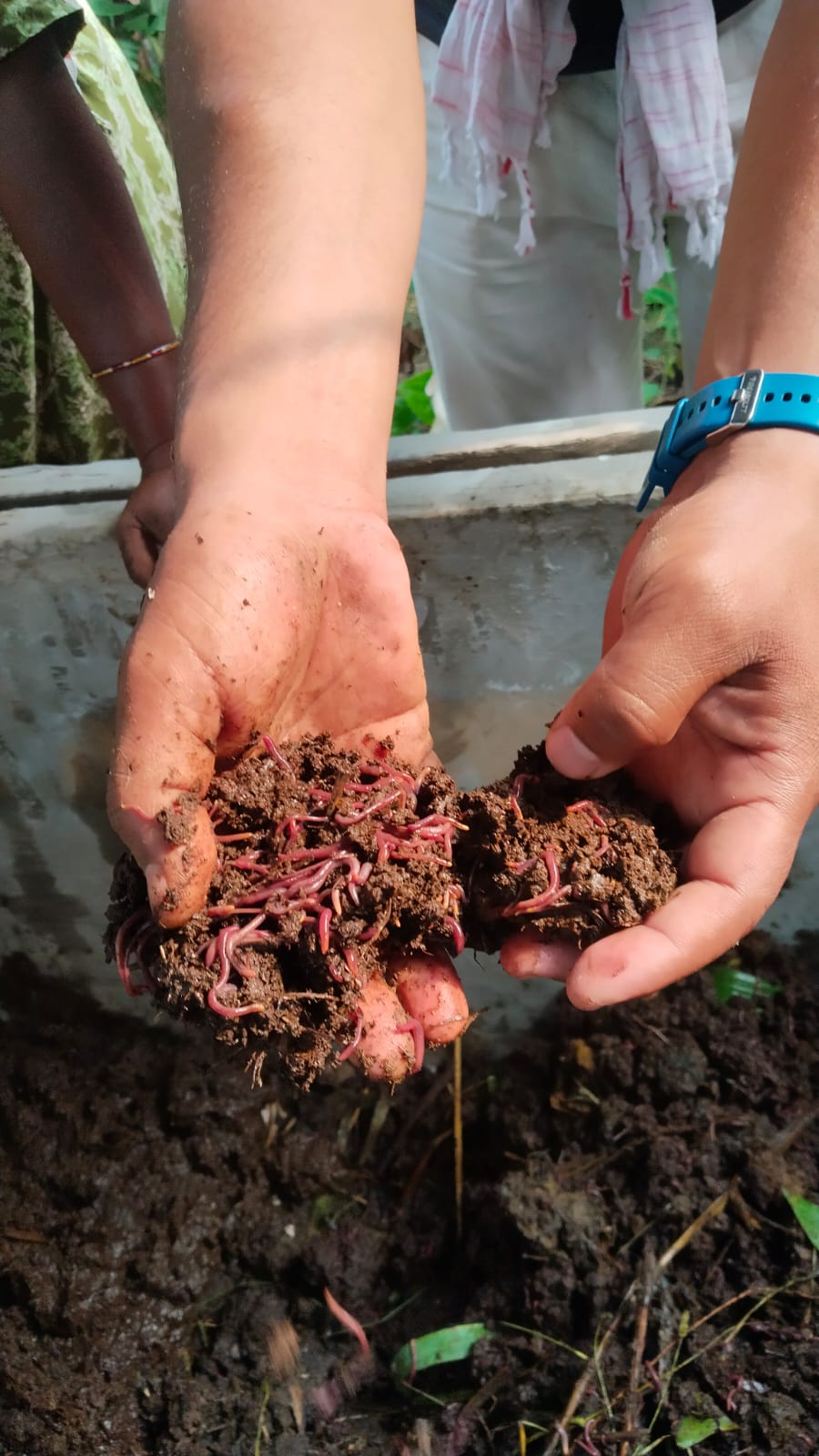
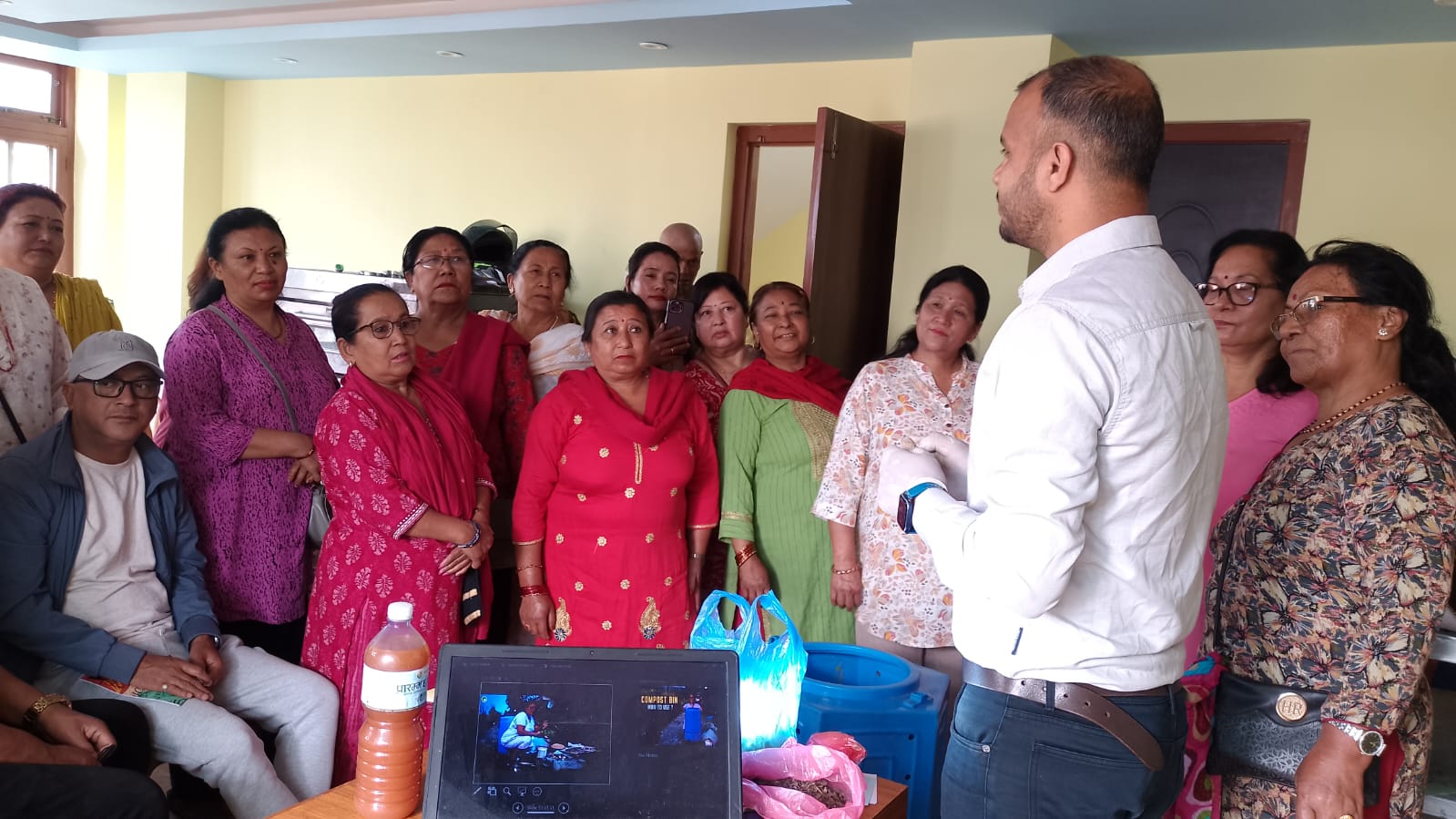
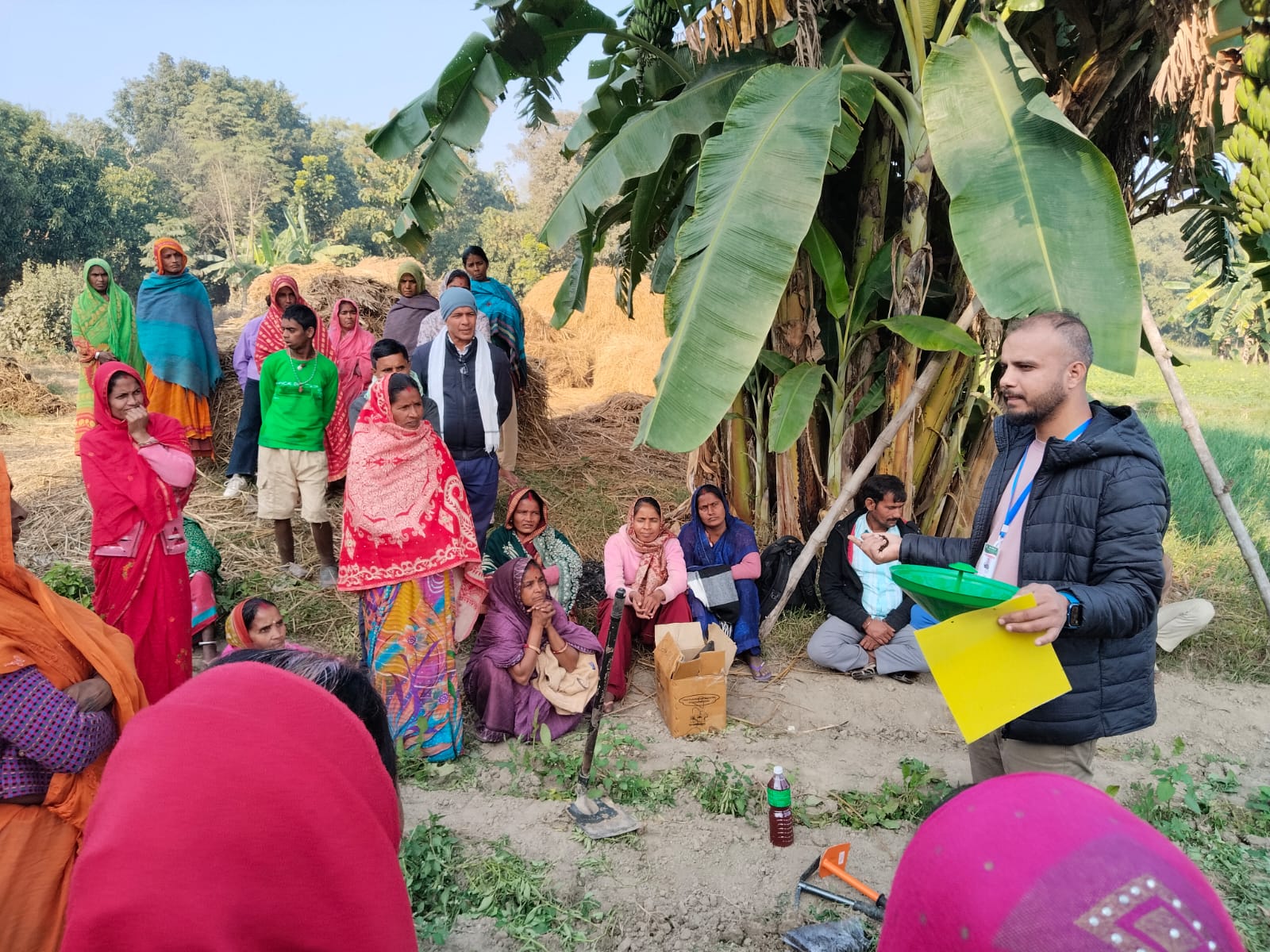
Modern training is crucial for disseminating the necessary technologies and methodologies required for sustainable farming, such as Integrated Pest Management (IPM), Climate-Smart Agriculture (जलवायु अनुकूलित कृषि), and advanced organic farming techniques. Participatory methods like the ‘Farmer Field School’ (FFS) have proven exceptionally effective in this context. FFS encourages farmers to become experimenters (प्रयोगकर्ता) on their own land rather than passive recipients of information, thereby building their capacity for problem identification and independent decision-making. Studies consistently show that farmers who participate in FFS reduce their pesticide use while increasing their crop yields, thus ensuring both sustainability and economic gain.
3. Decentralizing Knowledge with Digital Technology
With the implementation of federalism, the responsibility for agricultural education and advice has been devolved to the local government (स्थानीय सरकार) level. However, a shortage of technical staff and poor coordination often delays service delivery. To address this challenge, the use of Digital Technology (डिजिटल प्रविधि) is essential. Mobile applications, video content, and online consultation services can deliver expert advice and early weather warnings (मौसमसम्बन्धी अग्रिम सूचना) even to remote farmers. The key lies in delivering knowledge directly into the hands of the farmer—moving away from a top-down approach to a demand-driven (माग-आधारित) and effective advisory service. Furthermore, collaborating with private sector agro-vets and NGOs can significantly accelerate progress in this area.
4. Linking Expert Advice to Market Access
Farm education must not be limited to teaching cultivation techniques; it must also include expert advice on linking produce to the market. Farmers need support to understand market demand (बजारको माग), maintain product quality, navigate the appropriate certification (प्रमाणीकरण) processes, and execute Value Addition (मूल्य अभिवृद्धि) strategies for their produce. Achieving this requires mobilizing agricultural graduates in rural areas and equipping them with entrepreneurial skills tailored for the commercialization and marketing of green products (हरियो उत्पादन). Unless expert guidance clearly demonstrates how to reduce costs while simultaneously increasing profits, farmers will struggle to transition enthusiastically towards sustainable farming.
💡 Conclusion (निष्कर्ष)
The future of Nepal’s agricultural sector hinges on the adoption of sustainable and green products (दिगो र हरित उत्पादनहरू), which in turn requires a robust foundation of farm education and expert advice. Only through the joint efforts of the government, local bodies, the private sector, and educational institutions can the current agricultural extension system be transformed from an outdated technology transfer (प्रविधि हस्तान्तरण) model into a farmer-centric, demand-driven advisory service (सल्लाहकार सेवा). Until farmers receive practical, on-site knowledge and correct guidance, national agricultural output and the rural economy will fail to achieve their expected potential. Therefore, investment in agricultural education is arguably the most crucial investment in building a sustainable Nepal.
Leave a Reply